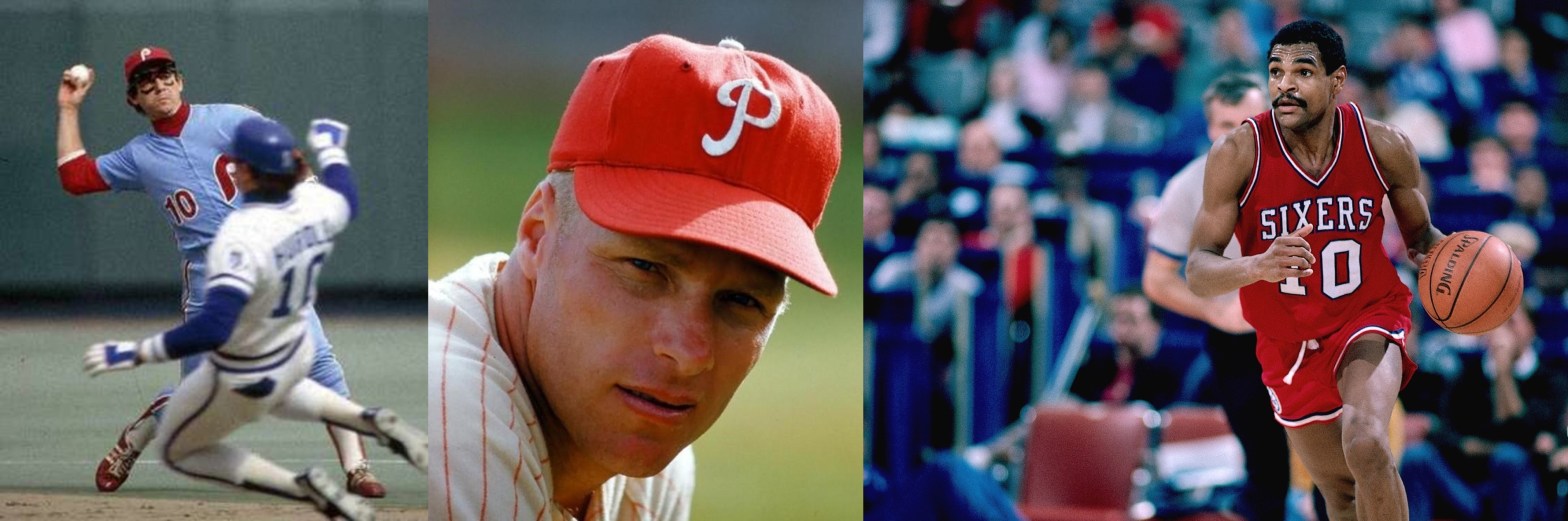
As a nearly lifelong Philadelphia sports fan, I have had my share of favorites among the many athletes I’ve seen play for the Sixers, Phillies and Eagles. But there are three who hold a special status for me, not only for their stellar careers on the field and court, but because they returned to work with their teams for years after their playing days had come to an end. Two – Larry Bowa and Maurice (Mo) Cheeks – had multiple coaching and managing stints with their former team, while the third – Richie Ashburn – called Phillies games as a broadcaster for 35 years.
I am a bit too young to have seen Ashburn play for the Phillies, but I must have become conditioned to hearing his voice at a very early age. My father was a Phillies fan, and Whitey – as the white-haired Ashburn was known by many – was already in the team’s announcing booth by the time I was born.
From 1971 on, he worked primarily with play-by-play man Harry Kalas. The two of them formed what was likely the most beloved sports announcing team in Philadelphia history. When returning from road-trips with my family as a child, I always knew we were getting close to home when we could pick up the Phillies game on the radio and hear Harry and Whitey’s voices.
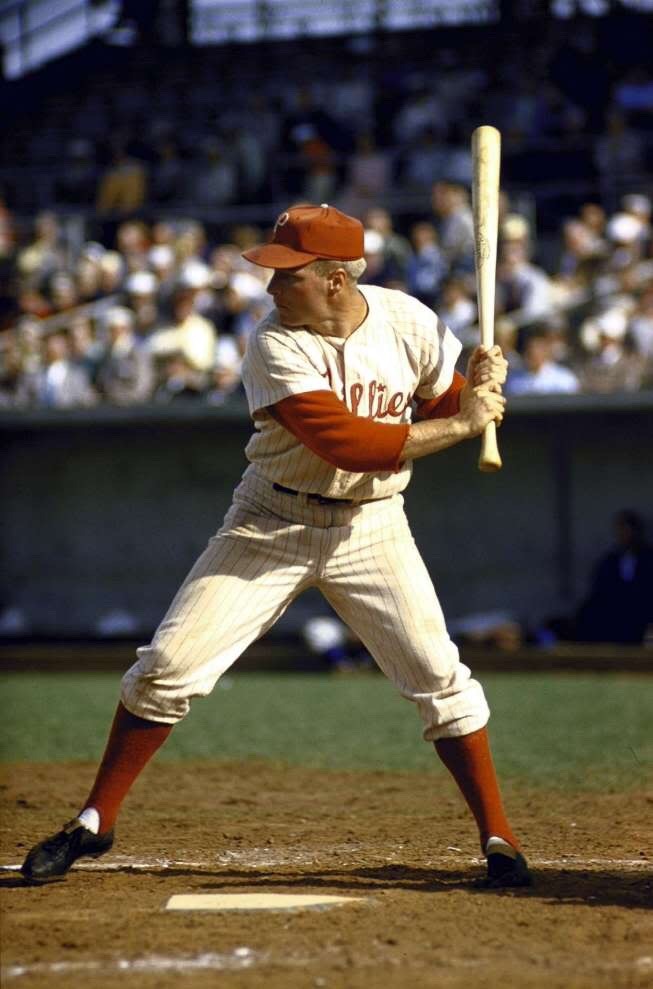
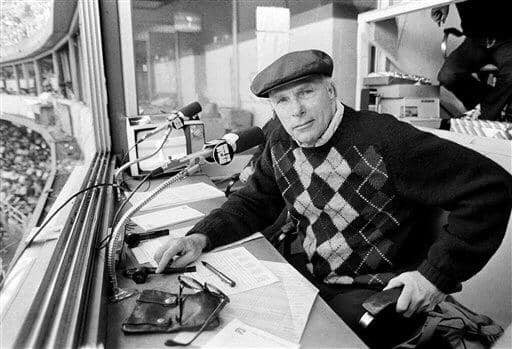
Here is a classic example of the pair at their best. Kalas does all of the talking, but you can hear Ashburn screaming in the background.
After years of being denied the honor that most Philadelphians pined for him to have, Ashburn, who hit .308 for his career, won two battle titles and was a great center-fielder, was inducted into the Baseball Hall of Fame by the veterans committee in 1995. That was only two years before he passed away – 25 years ago last week.
Most of the Phillies games I heard Rich Ashburn call during my youth featured Larry Bowa as the team’s short-stop. He was the Phils’ pre-Pete Rose spark plug and was known as one of baseball’s scrappiest players. He also was one of the best defensive short-stops of his era and surprised numerous experts by belting out over 2,000 hits in his career. His period with the team included their first World Series win in 1980.

Like Ashburn, Bowa finished his playing days with the Cubs and Mets. Since then, he’s returned to work for two stints as a coach and one as a manager – a total of 16 seasons back in red pin stripes.
Whether he was playing, coaching or managing, Bowa always wore his passion for the game and team on his sleeve, which has a lot to do with him being loved by the locals.

Basketball hall-of-famer Maurice Cheeks – a brilliant defender and on-court maestro of the 76ers’ offense – followed a similar path to Bowa. After spending over a decade as the team’s starting point guard, including their glory years of the early 80s, when they won their last NBA title, he finished his playing career with several other teams. But it wasn’t long before he was back with the Sixers, first as an assistant coach for seven years.
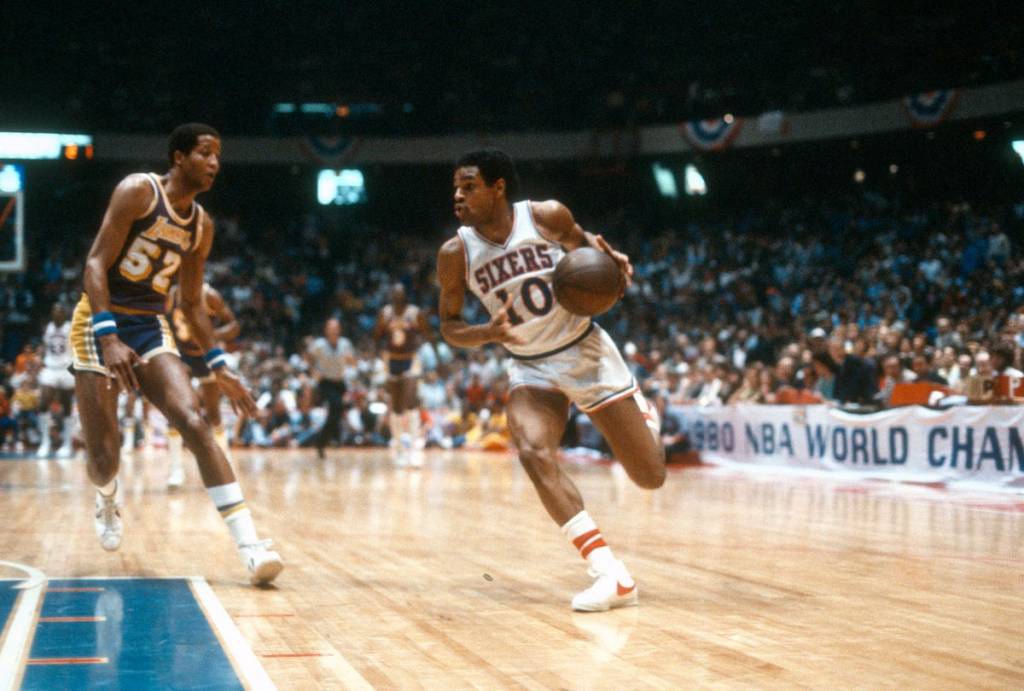
He then left to take a head-coaching position with Portland, where he was involved in an iconic incident that showed the kind of character this man possesses.
A few years later, he was back in Philly; this time as the Sixers’ head coach.
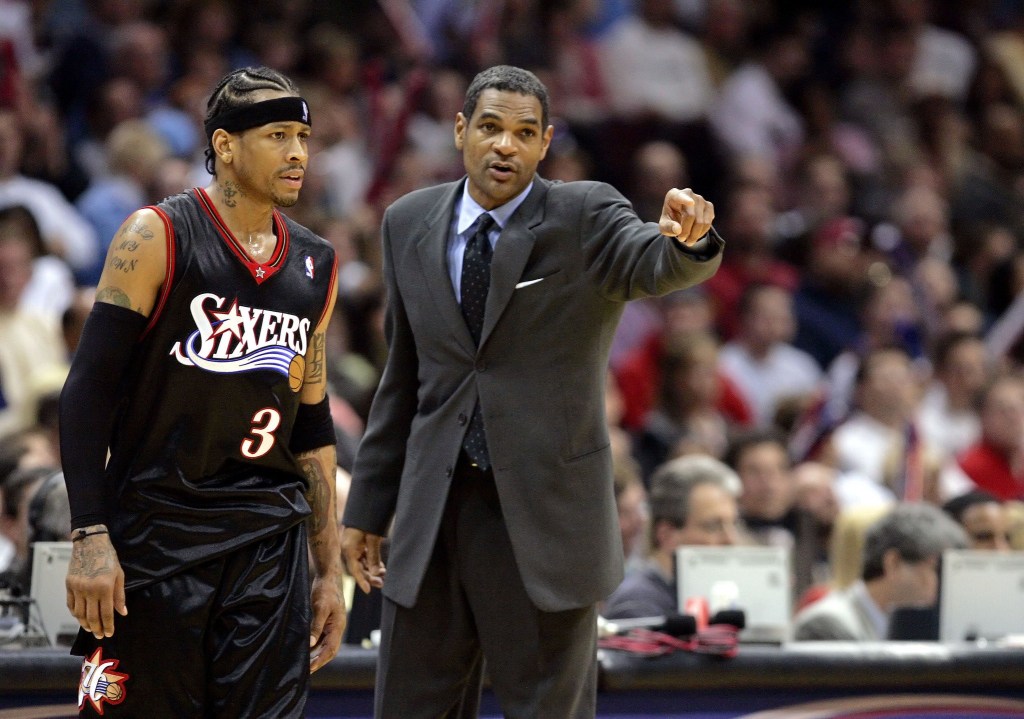
While neither Bowa nor Cheeks achieved postseason success as manager and head coach for their long-time organizations, their love for both their team and the Philadelphia community have earned them a special place in the hearts of Philly fans – including mine. And, of course, the same can be said of Whitey Ashburn, whose voice will always remain with me.
 BZ Maestro Eats
When the notification email showed up I guessed Bowa, Cheeks and Ashburn before I clicked the link. I guess that’s what being a sports geek as a kid will get you. ;^)
LikeLiked by 1 person